Foldable phones look futuristic — but are they practical?
In 2026, foldables are better than ever, but they’re still not for everyone.
This guide breaks down:
- Who foldables are best for
- Where they still fall short
- Whether they make sense in Belize
Why Foldable Phones Are Getting Attention
Modern foldables offer:
- Larger screens without larger pockets
- Multitasking features
- Eye-catching design
They’re no longer experimental — but they are still premium devices.
The Real Advantages of Foldables
📖 1. Bigger Screen, Same Portability
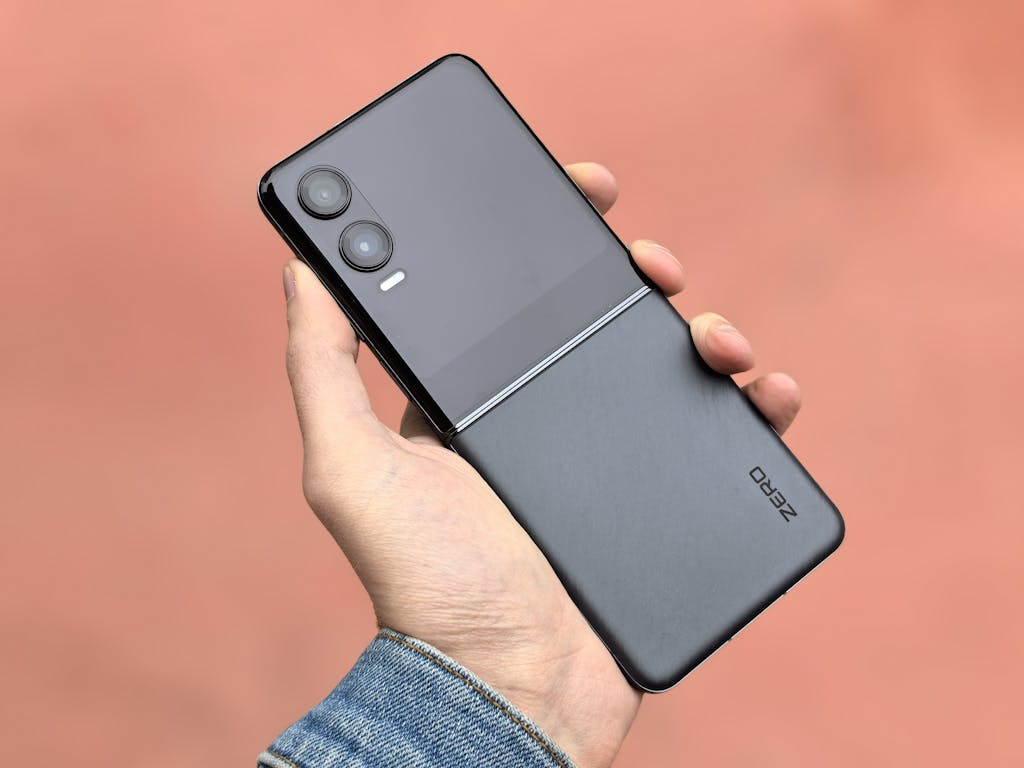
Foldables open into tablet-sized displays:
- Better for videos
- Better for reading
- Better for multitasking
Perfect for:
- Business users
- Content consumption
- Frequent travelers
🧠 2. Multitasking Power
Foldables allow:
- Split-screen apps
- Floating windows
- Enhanced productivity
Great for:
- Messaging + browsing
- Work + communication
The Real Downsides (You Should Know)
⚠️ 1. Durability Concerns
Foldables are tougher than before — but still:
- More delicate than slab phones
- Sensitive to dust and sand
📍 Important in Belize:
Beach, humidity, and dust can be challenging.
💸 2. Higher Cost
Foldables cost more:
- Higher upfront price
- More expensive repairs
They make sense only if you’ll use the features.
Who Foldables Are Best For
✔ Power users
✔ Business professionals
✔ Tech enthusiasts
✔ People who multitask daily
Who Should Skip Them (For Now)
❌ Heavy outdoor workers
❌ Beach-first lifestyles
❌ Budget-focused buyers
❌ Anyone rough on phones
Final Verdict: Are Foldables Worth It?
Foldables are impressive, functional, and fun — but they’re a lifestyle choice, not a necessity.
If you value:
- Screen space
- Productivity
- Innovation
They may be worth it.
If you value:
- Durability
- Simplicity
- Cost-efficiency
A traditional phone is still the smarter option.
At Plett’s Electronics, our goal isn’t to sell what’s newest — it’s to help you buy what fits your real life.